Living with migraine and other disabilities
Many people live with migraine and at least one other disability or long-term condition and here we speak to Lauren, Simone and Sarah, all of whom are navigating migraine alongside other health conditions.
According to 2023 research from Imperial College London, nearly 15 per cent of people in England live with two or more long-term health conditions. We know that many people are living with migraine and at least one other long-term condition and here we speak to Lauren, Simone and Sarah, all of whom are navigating migraine alongside other health conditions.
Lauren

For many years I lived with both episodic migraine and juvenile myoclonic epilepsy. I have had only six seizures in my lifetime, but these have been tonic-cl
onic seizures. Because of my epilepsy, I’m stripped of some of my independence (I can’t drive). It also strips my confidence, increases my anxiety, and it is thought to have contributed to chronic migraine having been triggered for me. It’s not yet clear exactly why, possibly it was where the seizure started in my brain, or alternatively the trauma I have endured.
I have now been diagnosed with vestibular migraine. Where I used to experience the distinct phases of a migraine attack when I lived with episodic migraine, the symptoms I experience now vary and are vast. They include awful dizziness and auras. My auras feel very similar to the onset of an epileptic seizure, which frightens me. When I experience headache and dizziness, I instantly go into panic, “is this a seizure coming?” I live with anxiety as a result of this, and perhaps another migraine attack is driven because of the anxiety I am under. The cycle is vicious.
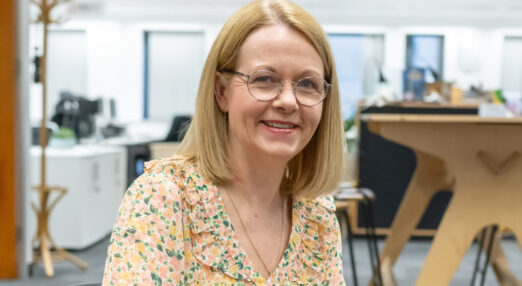
I can imagine people could look at the picture of me here and think ‘she looks fine’, but in reality, they don’t see what I am going through on the inside with my migraine: my forehead is pulsing, my eyes are stinging, I was experiencing dizziness. It’s just not visible. I would love people to know that migraine is a neurological condition, just like epilepsy. It’s similar in terms of its unpredictable nature. It is absolutely not just a headache.
Simone
I was diagnosed with migraine when I was 14 years old and by the time I was 20 in 2023, it had escalated to the point of becoming completely chronic and disabling. Alongside the pain came a wave of frightening new symptoms. I began experiencing hemiplegic migraine attacks, which mimic stroke-like symptoms and leave me incredibly vulnerable. I have only had a few episodes, but I’ve found them terrifying, and each one feels as distressing as the last.
I always thought migraine was just head pain and I realised I didn’t fully understand the condition myself. It’s been
one of the hardest parts dealing with that lack of understanding from others, whether it’s being forced to work while in pain, to having my condition minimised or dismissed.
Then a year ago, I was also diagnosed with Functional Neurological Disorder (FND), which my neurologist believes might be linked to my migraine. I use a wheelchair due to the impact this condition has had on my mobility and nervous system, and live with bladder problems, seizures and a whole host of additional symptoms. I can’t work anymore but I do some mindfulness training and volunteering when I can. I’m just grateful if I can sit up and read a book or listen to a podcast these days which sounds bleak, but I try to have a positive mindset and go for a roll in my wheelchair with my partner.

I continue to raise awareness about migraine and FND because I never want someone else to go through this alone or feel misunderstood. My conditions have reshaped my life in profound ways but have also made me appreciate family and friends so much. Becoming reliant on mobility aids and carers has been an adjustment but it’s made me appreciate the little things in life.
Sarah
When I was first diagnosed with chronic migraine at 16, I had no idea that I was neurodivergent and how much these conditions would intertwine with each other. As I am particularly sensitive to bright lights and noise, I only ever associated these symptoms with my migraine diagnosis. Now being in my 30s and having been diagnosed with a few neurodivergent conditions (ADHD, autism, dyscalculia and dyslexia) alongside my longstanding chronic and hemiplegic migraine, I finally was able to understand myself and even help improve my migraine pain scores. Being more aware of my surroundings to prevent one of my biggest migraine triggers, sensory overload, has been so beneficial for my neurodivergent self.
Being autistic and living with ADHD, so many of the symptoms that I have can really clash with my migraine triggers: from being eternally stressed since birth trying to fit into a world that is inaccessible and unpredictable to when I hyperfocus on a task to the point where hours have gone by, making my eating and drinking schedules go out the window.
One particular challenge for me because of my neurodivergent conditions is struggling to communicate the pain I am in with migraine via non-verbal cues, or the emotional impact it can have on me – it can look as though my pain is milder than it actually feels or that it impacts me less than it does. Now with my ADHD medication, regular therapy and my new migraine treatment routine I feel the best that I have felt for a long time.
As a neurodivergent person with migraine, it’s lifechanging to discover the tools that help you; from wearing sunglasses and noise cancelling headphones regularly to using different activities to help with relaxation including colouring books and writing poetry.
With the right tools, I can live life and do the things I love. Maybe not the same as everyone else does, but that’s ok. I’ve learnt that being neurodivergent isn’t something to be ashamed of and having a migraine condition doesn’t mean I need to hide away.
About migraine co-morbidities
Some conditions occur with migraine more often than would be expected by chance. These are known as co-morbidities. Some of the most common ones include heart disease and stroke, depression and anxiety, epilepsy, sleep disorders, allergies and asthma, chronic pain conditions like fibromyalgia, and gastrointestinal conditions like irritable bowel syndrome (IBS) and coeliac disease.
It’s not always known why these conditions occur more frequently with migraine. For some, there may be a shared underlying pathway or similar causes. Or it may be that one condition increases the risk of the other. Other conditions may just happen by chance at the same time as migraine.
Either way, we know that having more than one long-term condition can make things even more difficult when it comes to managing migraine. It also further impacts someone’s qualify of life if they live with multiple conditions.
Lauren, Simone and Sarah’s stories highlight that living with another disability or health condition alongside migraine can make for a vastly different experience. Our Support Services team understand that navigating life with migraine will be different for each person. If you need information or support our helpline is there for you.