For many years, migraine wasn’t just something I lived with – it was something I survived.
I grew up in Nigeria where, as a child, I called them my “brain headaches.” I didn’t know the word migraine then. I only knew the pain that came like a storm, shutting down my ability to read, write, concentrate, or even move. I missed days of school and heard whispers about how unreliable or weak I must be. It wasn’t only the pain that hurt; it was the loneliness, the stigma.
What made my story more complicated was that I was also born with sickle cell disease, a genetic blood disorder that already placed immense demands on my body. Fatigue, pain and repeated hospitalisations became a familiar rhythm of my childhood. Because people with sickle cell sometimes experience strokes, my severe head pain was often assumed to be a sickle cell crisis in the brain. No one considered migraine.
I was sometimes treated with strong painkillers under the belief that I was experiencing a sickle cell crisis. The overlap between sickle cell pain and migraine attacks often blurred, making it difficult even for doctors to untangle which condition was driving my symptoms on a given day. Both were invisible illnesses, and together they created a heavy, quiet burden I carried alone.
People around me didn’t always understand. Some thought it was “just a headache.”
Living in Silence
On the outside, I looked fine. On the inside, I was broken by exhaustion and fear -fear of the next attack, of falling behind in school, of never being able to reach my ambitions.
The silence was one of the hardest parts. People around me didn’t always understand. Some thought it was “just a headache.” Others questioned whether I was exaggerating. Even I sometimes wondered if I was being dramatic -until the next attack struck, reminding me how real and debilitating migraine truly is.
The Trap of Medication Overuse
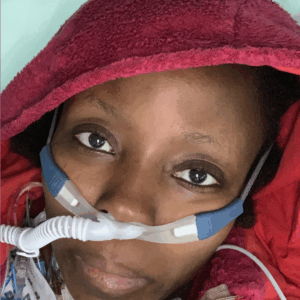
In my desperation for relief, I, like many others, fell into the cycle of medication overuse headache (MOH).
When you’re battling migraine multiple times a week, you reach for painkillers instinctively – anything to dull the pounding. But the cruel irony is that the very medicines that bring short-term relief can, when taken too often, cause more headaches in the long run.
I didn’t know then what I know now as a pharmacist: that MOH is one of the most common yet least recognised complications of chronic migraine.
The Turning Point
Things began to change when I pursued my Master of Pharmacy degree and eventually qualified as a Clinical Pharmacist. For the first time, I had both the vocabulary and the tools to understand migraine as a complex neurological condition.
My turning point wasn’t one dramatic moment, but a series of choices. I began to examine every aspect of my life: diet, sleep, stress, environment, and even mindset. Slowly, I made intentional adjustments:
- Nutrition: reducing processed foods and focusing on nourishing meals closer to their natural form.
- Hydration: drinking consistently, not just when I felt unwell.
- Sleep: creating healthier rhythms and treating rest as non-negotiable.
- Movement: embracing gentle exercise that supported my body rather than punishing it.
- Self-leadership: listening to my body’s signals and responding with compassion instead of pushing through.
These weren’t overnight fixes, but gradually the frequency and intensity of my attacks reduced -until, eventually, they stopped altogether.
What I Learned Along the Way
Migraine is more than pain. It can steal confidence, career opportunities, and even identity.
Medication can be a double-edged sword. Relief is possible, but overuse can worsen the situation. Awareness of MOH is vital.
No single path works for everyone. What worked for me may not work for others -but everyone deserves the chance to find their own way.
Support is essential. Having someone who understands can be the difference between coping and collapsing.
Genetics shapes our story. Living with sickle cell alongside migraine showed me how conditions intersect in complex ways.
Self-leadership matters. Learning to lead myself with compassion and courage was the greatest shift of all.
Living with migraine gave me the resilience to rebuild my life step by step. It also gave me a fire I couldn’t ignore. I realised too many people are living the same silent struggle I once did: misunderstood, stigmatised, and often left without the right tools.
The Other Side
Coming out on the other side of chronic migraine is something I never take for granted. Living with migraine gave me the resilience to rebuild my life step by step.
It also gave me a fire I couldn’t ignore. I realised too many people are living the same silent struggle I once did: misunderstood, stigmatised, and often left without the right tools.
That’s why I chose to combine my lived experience with my professional qualifications. Today, I am a Clinical Pharmacist Independent Prescriber specialising in chronic migraine, and I now use the knowledge I have gained to support others.
Why I Now Share My Story
When I was in the midst of chronic migraine, I often felt like no one could possibly understand. If my story helps even one person feel less alone -if it offers hope that change is possible -then sharing it is worth it.
For me, this is about more than my own journey. It’s about raising awareness, reducing stigma, and building communities where people with migraine are seen, heard, and supported.
I want everyone navigating migraine to know: you are not weak, you are not alone, and your story is still being written. Relief is possible. Restoration is possible. And hope is real.