
Understanding and managing migraine holistically (part two)
Following on from Dr David Kernick's first blog, Dr Kernick explains seven ways to manage migraine holistically
A holistic approach to managing migraine
The objective of a holistic approach is to quieten the mind, reduce inappropriate energy expenditure and reduce the impact of persistent inflammation.
There are seven pillars of a holistic approach:
- Support your brain’s energy production
Magnesium, Vitamin B2, and Coenzyme Q10 are naturally occurring substances that are thought to improve the functioning of the mitochondria that are responsible for energy production. Sleep is also important to recharge our batteries. Insomnia is common in people who live with migraine and there is now a range of evidence-based approaches that can help this.
- Look after your psychological and emotional well-being.
Unhelpful thoughts and emotions can consume unnecessary energy and contribute towards the brain being in a higher state of alert. We may be consciously aware of this activity, but often unresolved emotions can be suppressed in our subconscious. These are of importance if there is a history of trauma, particularly events that have occurred in childhood. Psychological practises can help these problems when they are impactful.
Pain reprocessing therapy is based on the idea that for some people the brain becomes stuck in a habit of expecting migraine. Over time the brain becomes even more alert. Pain reprocessing therapy helps to retrain the brain to recognise that the body is safe and to reduce migraine predictions.
- Create a migraine-friendly lifestyle
Identification of triggers and keeping internal and external environments as constant as possible is important. This reduces the processing demands on the brain. Exercise, a healthy diet and addressing excess weight have been shown to reduce inflammation.
- Holistic mind-body practices
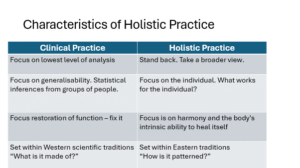
These practices mobilise the ability of the body to heal itself. The focus is on quieting the mind and improving interactions between mind, body, and the external environment. They include practices derived from Indian and Chinese traditions such as mindfulness meditation, breathing exercises, yoga, tai chi, relaxation techniques and spending time in nature. While none of these is a cure for migraine, there is growing evidence that they can reduce stress, improve wellbeing and help some people better manage their condition. Many of these practices are now becoming established in medical practice supported by evidence of benefit.
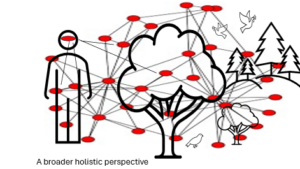
Holistic practices see the mind, body, and environment as one broader network of interacting elements. The focus is on harmony between the elements rather than trying to identify a simple fix.
- Reclaiming your sense of identity.
When attacks become more frequent, many people find that migraine starts to define who they are. Part of a holistic approach is to recognise that you are more than your migraine and several psychological approaches are available to reclaim a meaningful life and regain your sense of self. These include self-compassion, value-based practise, and gratitude practise. Although migraine may always be part of your story, it does not have to be part of your identity.
- Addressing other problems that are commonly associated with migraine.
Migraine often occurs alongside other medical conditions, including anxiety, depression, irritable bowel syndrome, fibromyalgia, restless legs syndrome and sleep disorders. Managing these conditions and viewing them as part of the bigger picture may reduce the overall burden on the nervous system and improve quality of life.
- Medical management of migraine.
Medication remains an essential part of migraine treatment. Relief medicines can help stop attacks, while preventive treatments aim to reduce how often migraine occurs and how severe attacks become.
Conclusion
There is no single answer to migraine. It is a complex neurological condition influenced by interacting biological, psychological and environmental factors. Taking a holistic approach does not mean rejecting medical treatment but recognises that medicines work best when they are part of a broader strategy that supports the health of the whole person. For many people living with migraine, understanding these wider influences can help them feel more informed, more confident and more in control of their condition.
More information about the topics discussed in this article can be found by visiting Dr Kernick’s website: www.holisticmigraine.org.uk